
The Surprising Ways Diabetes Affects Your Vision
When most people think about diabetes, they think about blood sugar, diet changes, or insulin. What often comes as a surprise is just how closely diabetes and eye health are connected. Understanding how diabetes impacts your eyes is one of the most important steps you can take to protect your long-term vision.
How Diabetes Impacts the Eyes
Diabetes affects the body’s blood vessels, including the tiny, delicate vessels inside the eyes. Over time, high blood sugar levels can weaken these vessels, causing them to leak, swell, or close off entirely. Because these changes often happen slowly, vision problems may develop without early warning signs.
Common Diabetic-Related Eye Conditions
Diabetes can contribute to several eye conditions, some of which can threaten vision if left untreated. Diabetic retinopathy is one of the most common and serious complications. It occurs when damaged blood vessels in the retina leak fluid or bleed, interfering with the retina’s ability to process images clearly. In early stages, there may be no noticeable symptoms, but advanced stages can lead to permanent vision loss.
Diabetic macular edema develops when fluid builds up in the macula, the part of the retina responsible for sharp, central vision. This can cause blurry or distorted vision, making everyday tasks like reading or driving more difficult.
Cataracts tend to develop earlier and progress faster in people with diabetes. Cataracts cause the eye’s natural lens to become cloudy, leading to blurred vision, glare, and difficulty seeing at night.
Glaucoma is another concern, as diabetes increases the risk of developing this condition. Glaucoma damages the optic nerve and often progresses without symptoms until significant vision loss has already occurred.
Why Regular Diabetic Eye Exams Are So Important
One of the most surprising aspects of diabetic eye disease is how silently it can progress. Many serious eye conditions related to diabetes begin without pain, redness, or noticeable vision changes.
Regular diabetic eye exams allow your eye doctor to detect problems early (often before you experience symptoms) when treatment is most effective. Early detection can help slow or even prevent vision loss.
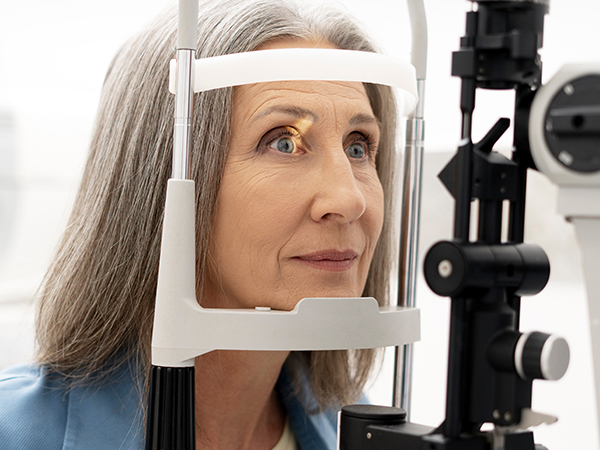
At Cutlerville Eyecare, advanced diagnostic technology is used to examine the retina and blood vessels in detail. These tools allow your eye doctor to identify subtle changes, track progression over time, and tailor a care plan specifically to your needs.
Diabetic eye exams also provide valuable insight into how well your diabetes is being managed overall. Changes in the eyes can sometimes signal the need for adjustments in blood sugar control or coordination with your primary care physician.
Monitoring Changes Over Time
Diabetes is a lifelong condition, which makes ongoing eye care essential. Even if previous exams were normal, changes can develop between visits. Regular monitoring ensures that any progression is caught early and managed promptly. Consistent exams help establish a baseline for your eye health, making it easier to detect even small changes year over year.
Schedule Your Diabetic Eye Exam at Cutlerville Eyecare
Diabetes can affect your vision in surprising and serious ways, often without warning. From diabetic retinopathy to cataracts and glaucoma, these conditions can threaten sight if they aren’t detected early. Regular diabetic eye exams play a critical role in preserving vision by identifying changes before symptoms appear and monitoring eye health over time.
If you have diabetes, schedule a diabetic eye exam at Cutlerville Eyecare to support your long-term eye health. Visit our office in Gand Rapids, Michigan, or call (616) 455-2525 to book an appointment today.


Our Services
Contact Info
Hours of Operation
- Monday 8:45am – 7:00pm
- Tuesday 8:45am – 5:00pm
- Wednesday 8:45am – 7:00pm
- Thursday 8:45am – 5:00pm
- Friday 8:00am- 3:00pm
- Saturday Closed
- Sunday Closed
© 2026 Cutlerville Eyecare. All rights Reserved. Accessibility Statement - Privacy Policy - Sitemap
Powered by:
